Merino Wool Hoodie Guide 2026: Why 3D Toothbrush Embroidery Is the Upgrade Your Brand Needs
- Share
- publisher
- CraftYourWear Knitwear Team
- Issue Time
- Nov 5,2026
Summary
A buyer's guide to merino wool hoodies: what merino fibre does for the wearer, what current search and retail data say about the category, and how 3D toothbrush embroidery gives knit hoodies a tactile retail edge. Includes a five-point checklist for brand buyers before placing an OEM order.
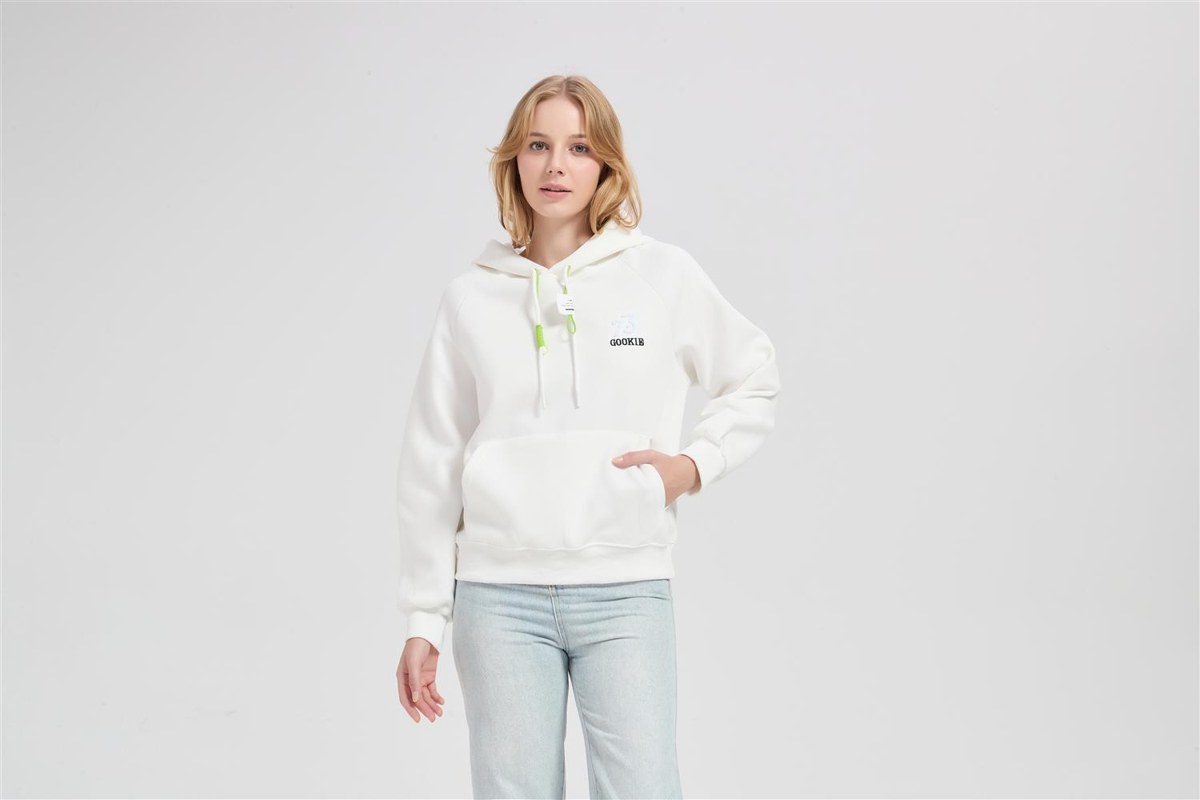
A merino wool hoodie has quietly become one of the fastest-growing categories in apparel search. On Amazon US, the keyword "hoodie" alone pulled 126,210 searches in a single month — even in the July off-season — and the category peaks in November, right as layering season hits. Meanwhile, embroidered apparel is one of the fastest-rising fashion segments in e-commerce, and independent outdoor reviewers now publish annual "best merino hoodie" roundups: clear signs the category has gone mainstream.
But with demand rising, the market is getting crowded. If you are a brand or label building a knitwear line for 2026, the question is no longer just whether to add a merino hoodie — it is how to make yours stand out. This guide covers both halves of that answer: what merino fibre actually does for the wearer, and the craft detail we believe will define premium knit hoodies next year — 3D toothbrush embroidery.
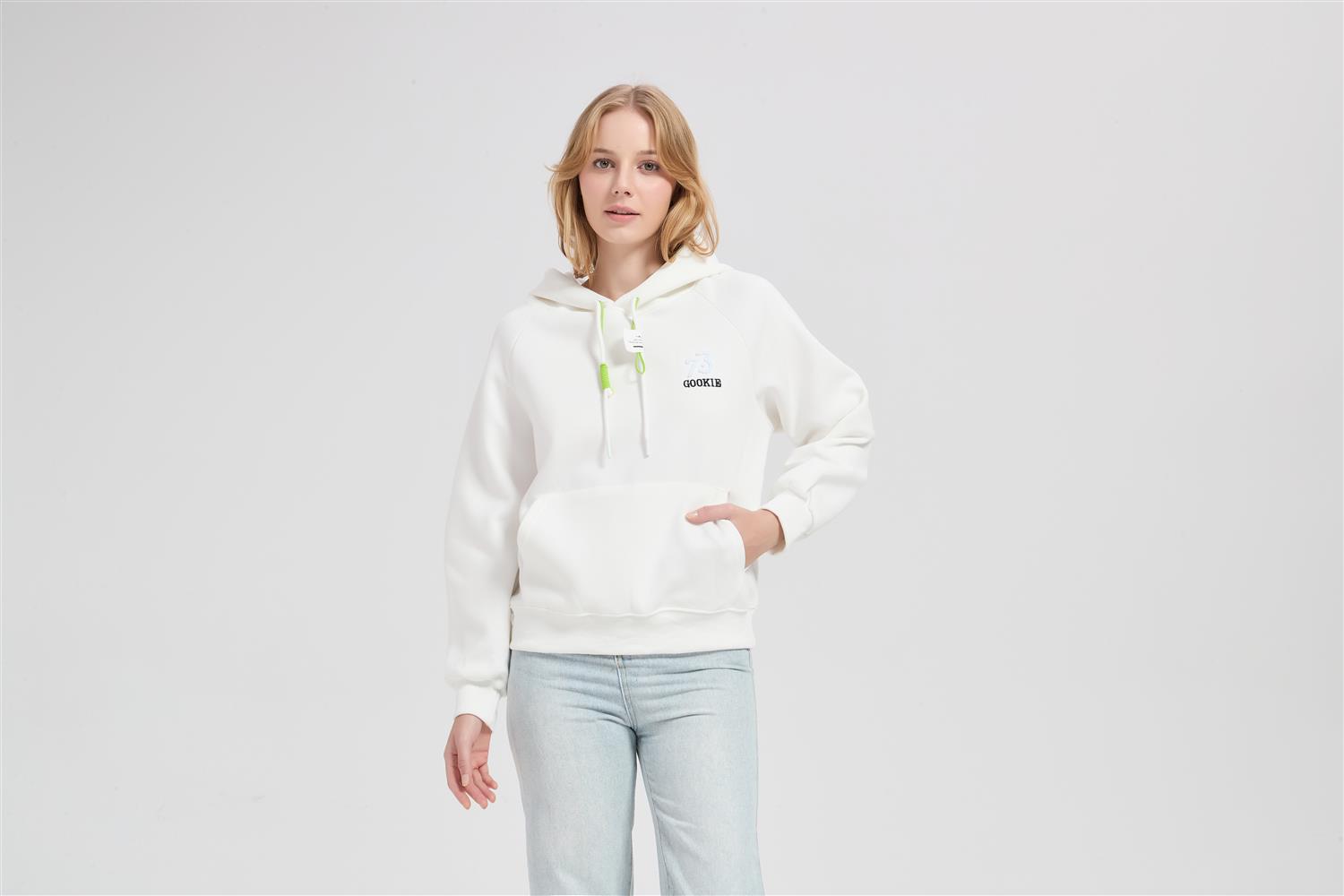
What Makes a Merino Wool Hoodie Different
Merino wool is a superfine natural fibre sheared from Merino sheep, measured in microns. The finer the fibre, the softer the hand feel — premium knitwear typically uses fibres between 17.5 and 19.5 microns, against a human hair average of 50 to 100 microns. That fineness is why a quality merino hoodie feels nothing like the scratchy wool sweaters of the past.
For everyday wearers and outdoor users alike, the fibre delivers five benefits that synthetics still struggle to replicate:
- Natural temperature regulation. Merino adapts to the body — insulating when it is cold, breathing when it is warm. It works as a standalone casual layer or as a mid-layer under a shell.
- Moisture wicking. The fibre lifts vapour away from the skin rather than trapping sweat, so the wearer stays dry through commutes, hikes and travel days.
- Odour resistance. Merino's natural antimicrobial properties keep the garment fresher longer — field testers routinely wear merino hoodies for several days between washes.
- Soft, stable knit construction. A well-made merino knit holds its shape after wear and washing, resisting the pilling and stretching common in cotton fleece.
- Certifiable sourcing. RWS (Responsible Wool Standard) and OEKO-TEX documentation is available for responsible programmes — increasingly a purchasing filter for both retail buyers and corporate accounts.
What the Market Data Tells Us
For brand buyers, the timing argument is as compelling as the product argument. Three signals stand out from this year's data.
| Signal | Data point |
|---|---|
| Search demand (Amazon US) | "Hoodie" pulled 126,210 monthly queries in the July off-season; the related term "hoodies" hit 109,595, up 22.8% month over month, as autumn demand kicked in. Q4 is the seasonal peak — Top 50 listings moved 139,850 units in November. |
| Embroidered apparel trend | Embroidered apparel is surging on Shopify: the sweaters segment grew 77% year over year and embroidered trucker caps 73%. Personalisation is the leading growth driver. |
| Category mainstreaming | Dedicated annual buyer's guides and field tests for merino hoodies are now published by multiple independent outdoor review outlets. |
The takeaway: demand for merino knitwear and embroidered detailing is surging at the same time, and it is being led by new, vertically focused brands rather than legacy labels. The window for differentiation is open — but it will not stay open indefinitely.
The Craft Differentiator: 3D Toothbrush Embroidery
Here is the problem every merino hoodie buyer eventually faces: once you have sourced a great base garment, everyone else can source it too. Fabric quality alone no longer wins shelf space. The winning brands pair performance fabric with a signature craft detail that shoppers can see and touch.
That is exactly what toothbrush embroidery delivers. Unlike flat printing or ordinary flat embroidery, toothbrush embroidery uses dense, plush stitching to create a raised, chenille-like 3D texture.
- Plush raised 3D texture. Customers feel the dimension when they touch the garment, which lifts perceived value in store and in product photography.
- Sharp, clean outlines. Skilled technicians control stitching density so edges stay neat with no loose threads or fraying, even on a delicate merino knit base.
- Engineered for stretch knit. Embroidery tension is adjusted for elastic wool knits, preventing puckering, distortion or peeling through wear and washing.
- Retail scroll-stopper. The tactile 3D effect reads clearly in thumbnails and photography, which matters enormously in a feed-driven e-commerce environment.
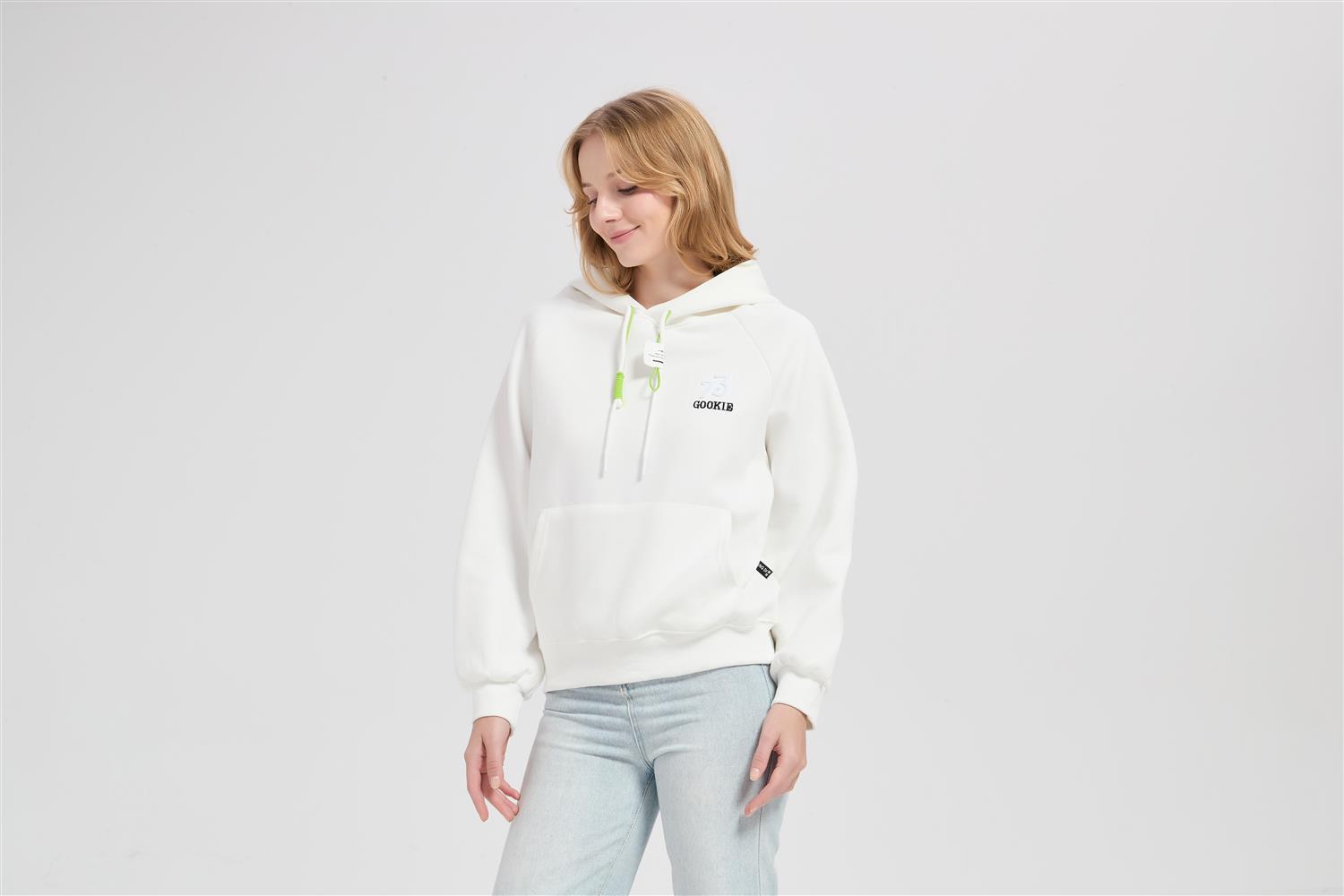
This combination — fine merino knit plus statement 3D toothbrush embroidery — is the core of our Toothbrush Embroidery Merino Collection. The collection currently includes two silhouettes:
- Merino Wool Knit Hoodie with 3D Toothbrush Embroidery — relaxed fit, kangaroo pocket, contrast drawcords and statement front embroidery.
- Merino Wool Knit Sweatshirt with Drawstring Hem — adjustable drawstring hem, relaxed pullover cut and front 3D embroidery.
Both are cut from a 42% merino wool / 53% polyester / 5% spandex knit: merino for natural performance, synthetics for shape retention and durability on a stretch base. Both are available in XS to XL with full OEM and private-label support from 300 pieces per style and colour.
A Brand Buyer's Checklist Before You Order
Before committing to a production run, we recommend every brand works through these five questions — the same ones we walk through with our OEM clients.
- Fibre fineness and blend ratio. Ask for the micron count and the exact merino percentage. Marketing claims should match the test report.
- Embroidery tension testing. On stretch knits, poor tension causes puckering. Request a washed-sample photo before approving bulk.
- Certifications. RWS and OEKO-TEX documentation should be provided in writing if you plan to make sustainability claims.
- Wash durability. Confirm machine-wash instructions and check for pilling, shrinkage and embroidery integrity after five or more cycles.
- MOQ and sample policy. For new designs, a 300-piece MOQ with sample-first approval keeps your risk contained while you test the market.
A merino wool hoodie that passes this checklist typically serves its owner for years. With embroidery as the differentiator, it becomes a piece your customers photograph, share and come back for.
Ready to develop a line? See the full Toothbrush Embroidery Merino Collection for specs, MOQ and sample requests, or browse the wider merino wool knit hoodie range.