Merino Wool Knitwear Guide 2026: How to Choose the Perfect Weight, Micron and Style
- Share
- publisher
- CraftYourWear Knitwear Team
- Issue Time
- Oct 27,2026
Summary
Search interest in merino wool knitwear has more than doubled in five years. A knitwear manufacturer explains micron, GSM, styles, care and certifications — the specs that decide how your knit performs.

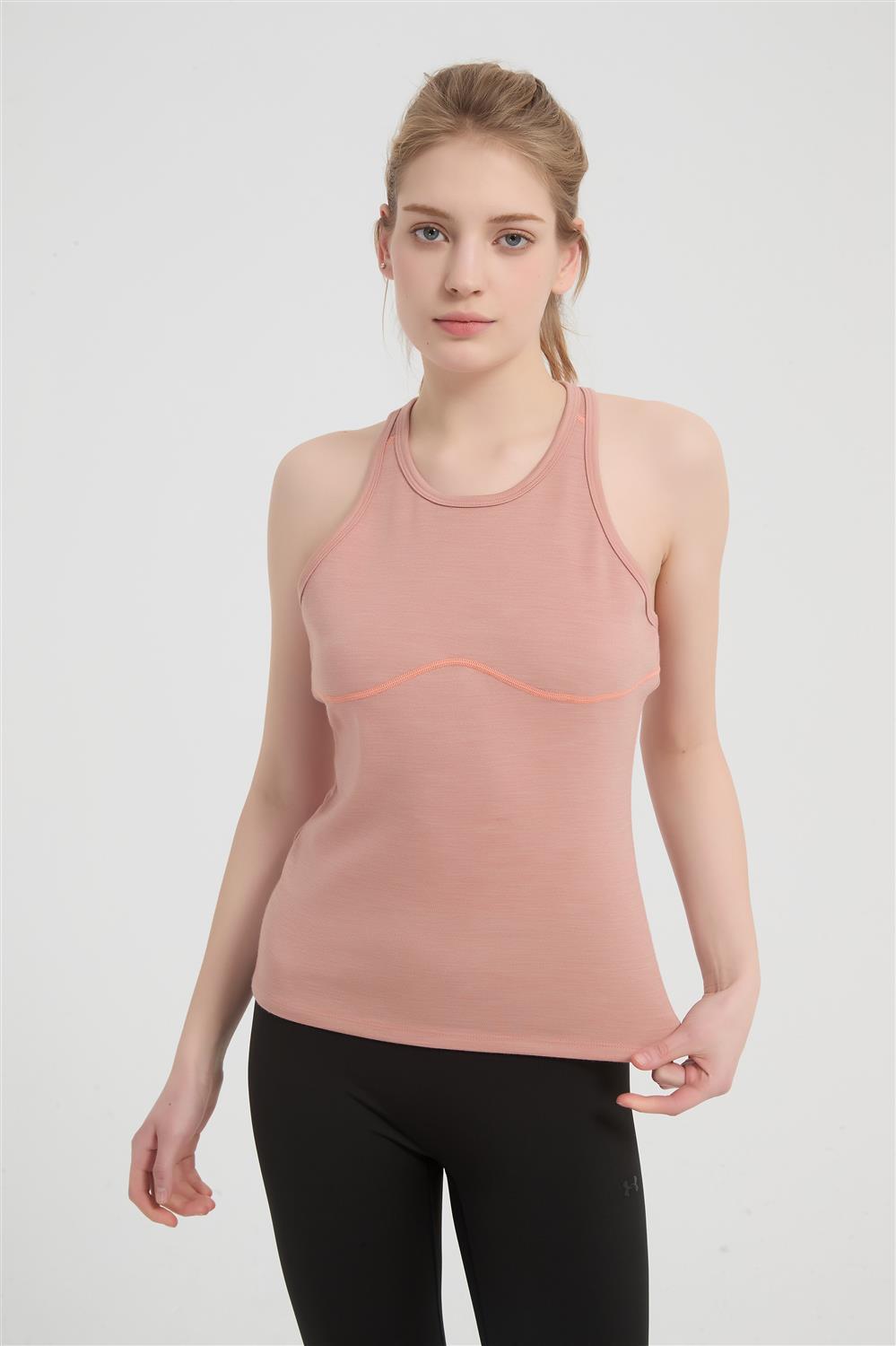
Fine-gauge merino wool knitwear: warm when static, breathable when active. (Suggested image — replace with your factory/product photo before publishing.)
Search interest in merino wool knitwear has more than doubled globally over the past five years, and every winter the category peaks between November and February. Yet most buyers still guess at the two numbers that actually define how merino knitwear feels and performs: fiber micron and fabric weight (GSM). Get those right, and everything else — fit, style, care — falls into place.
This guide is written from our perspective as a custom merino wool knitwear manufacturer: the same specs we use on the production line are the specs you should look for on any label, whether you're buying a single piece or building an entire private-label collection.
1. Why Merino Wool Knitwear Outperforms Other Fabrics
Merino wool is the world's premier natural apparel fibre. According to Woolmark's fibre research, every merino fibre has a naturally complex structure that regulates temperature, manages moisture vapour, resists odour and stretches with you while recovering its shape. In practical terms:
- Temperature regulation — merino is an "active fibre": it insulates in the cold and releases heat and vapour when you warm up, so knitwear works indoors and outdoors.
- Odour resistance — the fibre absorbs odour molecules and releases them in the wash. Merino knitwear can be worn several days between washes.
- Softness without itch — fibres of 17.5–19.5 micron bend instead of poking nerve endings. For comparison, a human hair is 50–100 micron.
- Natural and sustainable — renewable, biodegradable, and free of the microplastics that synthetic knits shed.
Independent 2026 research commissioned by Woolmark and Ipsos across five countries found that 65% of consumers prefer merino wool over polyester, and 82% prefer natural fibres overall when price and fit are equal.
Merino knit fabric texture — fibre fineness, not yarn thickness, is what makes it feel soft. (Suggested image — replace with your own macro product shot.)
2. Micron: The Number Behind the Softness
Micron measures the diameter of the wool fibre — the lower the number, the finer and softer the wool. As a manufacturer, here is the grading we work with every day:
| Grade | Micron range | Typical use |
|---|---|---|
| Ultrafine | below 17.5 | Luxury next-to-skin pieces, sports bras, baby knits |
| Superfine | 17.5 – 19.5 | Knitwear, base layers, everyday pieces — the sweet spot |
| Fine apparel | 19.6 – 21.5 | Mid-layer knits, outerwear blends |
| Coarser | above 23 | Traditional wool feel — often itchy next to skin |
Buying rule: for knitwear worn over skin or a light layer, choose 18.5 micron or below. If a brand doesn't publish its micron count, assume it's hiding a coarser fibre. Our own merino pieces — like this 17.5-micron seamless sports bra and 18.5-micron base layer set — sit firmly in the ultrafine-to-superfine range.
3. Fabric Weight (GSM): Matching the Knit to the Season
GSM (grams per square metre) describes fabric weight — how warm and substantial a knit feels. It matters more for warmth than any other spec:
| Weight | Best for | Feel |
|---|---|---|
| 150–180 GSM | Summer knits, travel, high-output activity | Airy, quick-drying |
| 180–220 GSM | All-season knitwear, three-season wear | The everyday all-rounder |
| 220–260 GSM | Cool-weather knits, heavier jerseys | Warm with structure |
| 260–320+ GSM | Deep-winter knits, dense knit structures | Maximum warmth and body |
For most buyers, a 200 GSM midweight merino knit is the right first purchase: warm enough for winter layering, breathable enough for autumn and spring. Lightweight pieces like our lightweight merino undershirt cover the warm-weather end of the range.
4. Knit Styles: Crew, Cardigan, Seamless or Layering Piece?
- Crew knits — the versatile default. Layer under a jacket or wear alone.
- Cardigans — the fastest-growing women's knit style this winter; ideal for office-to-weekend layering.
- Seamless knits — knitted in one piece for zero-chafe comfort; the core of modern merino activewear lines.
- Layering tanks & undershirts — ultralight merino pieces that work year-round, on their own or as a base layer.
A good merino knit should sit close to the body without pulling: wool's natural elasticity lets it stretch with you and spring back, so there's no need to size up "for comfort" the way you might with cotton. For knitwear built to keep its shape wash after wash, fully-fashioned knitting (garments knitted to shape, not cut from fabric) is the construction to look for. You can see the full range in our Merino Wool Knitwear collection.

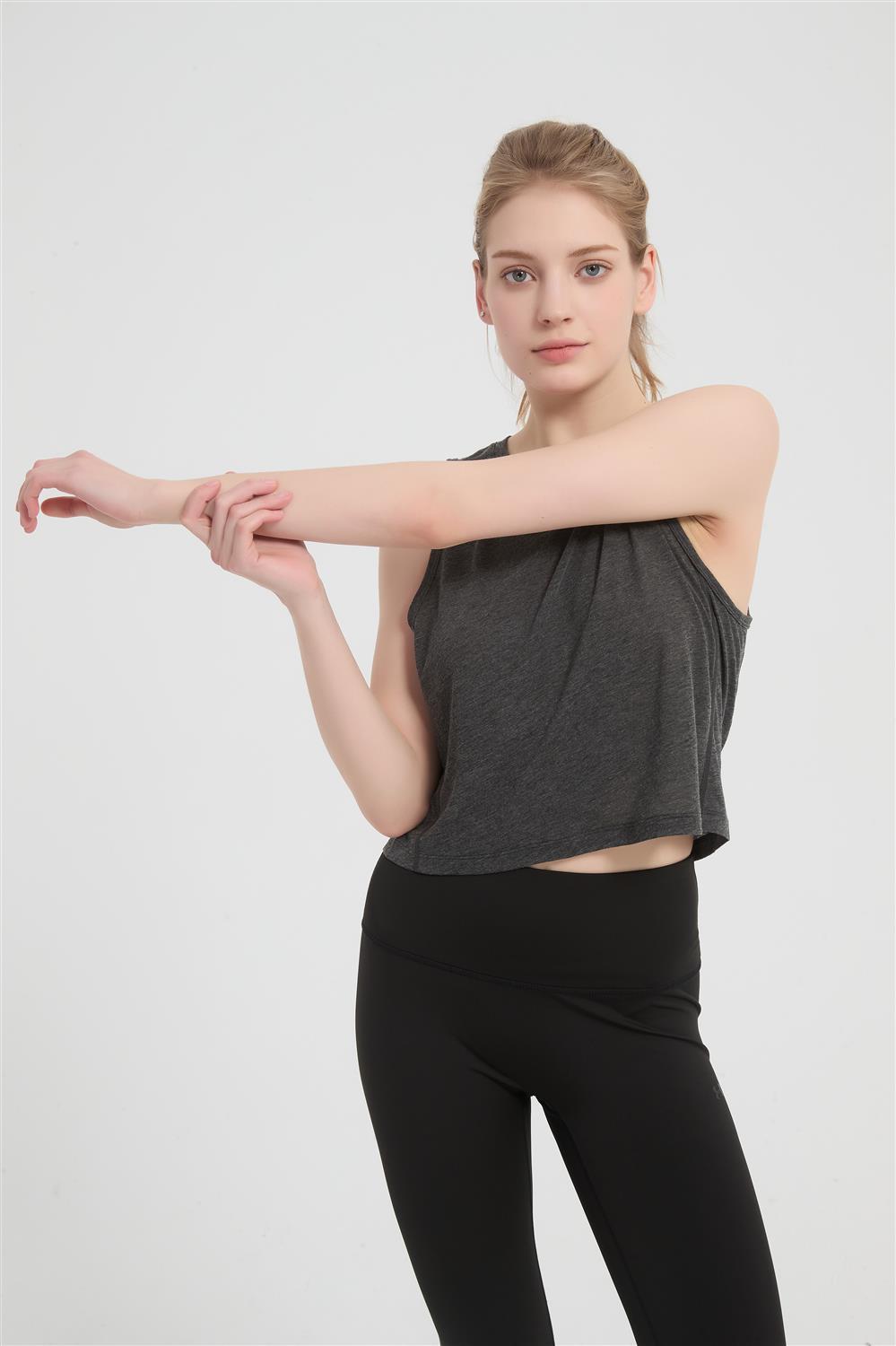
Style range: crew knits, cardigans and merino layering pieces cover office, weekend and outdoor wear. (Suggested image — replace with your collection shot.)
5. Care: Make It Last Years, Not Seasons
Merino requires less washing than synthetics thanks to its natural odour resistance — often just airing it out is enough. When you do wash:
- Turn the garment inside out; use cold water (20–30 °C) and wool-specific detergent.
- Hand wash or machine wash on a gentle wool cycle with low spin.
- Lay flat to dry. Never tumble dry, and never hang a wet merino knit.
- Store folded, not on hangers, to preserve the shoulders.
Skip hot water, fabric softener and the dryer and a quality merino knit will realistically last 3–5+ years — which is exactly why we consider it a better long-term buy than a fast-fashion acrylic.
6. Certifications Worth Checking
Two labels separate responsible merino from marketing claims: RWS (Responsible Wool Standard), which audits animal welfare and land management and prohibits mulesing, and OEKO-TEX, which tests for harmful substances. Our merino line — including the RWS-certified merino tank top — is built on certified yarn sourcing, and we can supply certification documentation with your order.
Buying Checklist (Save This)
| Spec | What to look for |
|---|---|
| Micron | ≤ 18.5 for next-to-skin knitwear |
| Fabric weight | ~200 GSM all-rounder; 260+ for deep winter |
| Construction | Fully-fashioned knit, flatlock seams, seamless options |
| Certification | RWS wool, OEKO-TEX tested |
| Care | Cold wash, dry flat, store folded |
Frequently Asked Questions
Is merino wool knitwear itchy?
Not if the micron count is 18.5 or below. Finer fibres bend against the skin instead of prickling it. Traditional wool above 23 micron is what gives wool its itchy reputation.
Can you machine wash merino wool knitwear?
Most modern merino knits can be machine washed on a wool cycle at 20–30 °C with wool detergent. Air-dry flat; avoid tumble dryers and hot water, which cause shrinkage.
Is merino knitwear worth the price?
Yes for most people: it regulates temperature across seasons, resists odour (fewer washes), and lasts several years with basic care — a lower cost-per-wear than cheaper acrylic alternatives.
What GSM should winter merino knitwear be?
220–260 GSM for typical winter wear; 260–320+ GSM for very cold, low-activity conditions like skiing or stationary outdoor use.
Build Your Own Merino Wool Knitwear Line
CraftYourWear is a custom merino wool knitwear manufacturer for brands, boutiques and wholesale buyers. Superfine 17.5–18.5 micron yarns, RWS-certified sourcing, flexible MOQ, full OEM/ODM support — from yarn selection and knitting patterns to labels and packaging.
Contact Us for a Free Quote → Browse the Merino Knitwear Collection
· Woolmark — Wool Fibre Properties, Facts & Benefits (woolmark.com/about-wool/wool-fibre)
· Woolmark × Ipsos, Natural Fibre Perception Report 2026 (5-market consumer survey, Sept 2026)
· Merinon — Merino Wool Base Layers: The Complete Buyer's Guide (GSM & micron guidance)
· Clothing Manufacturer USA — What Is Merino Wool? Properties, Benefits, GSM & Uses
· Passeport Textile — Everything You Need to Know About Merino Wool (RWS & care guidance)